 Shared by @irishstar.com ↗
 irishstar.com54m ago
 Shared by @rawstory.com ↗
 rawstory.com1h ago
 Shared by @newscientist ↗
 newscientist.com2h ago
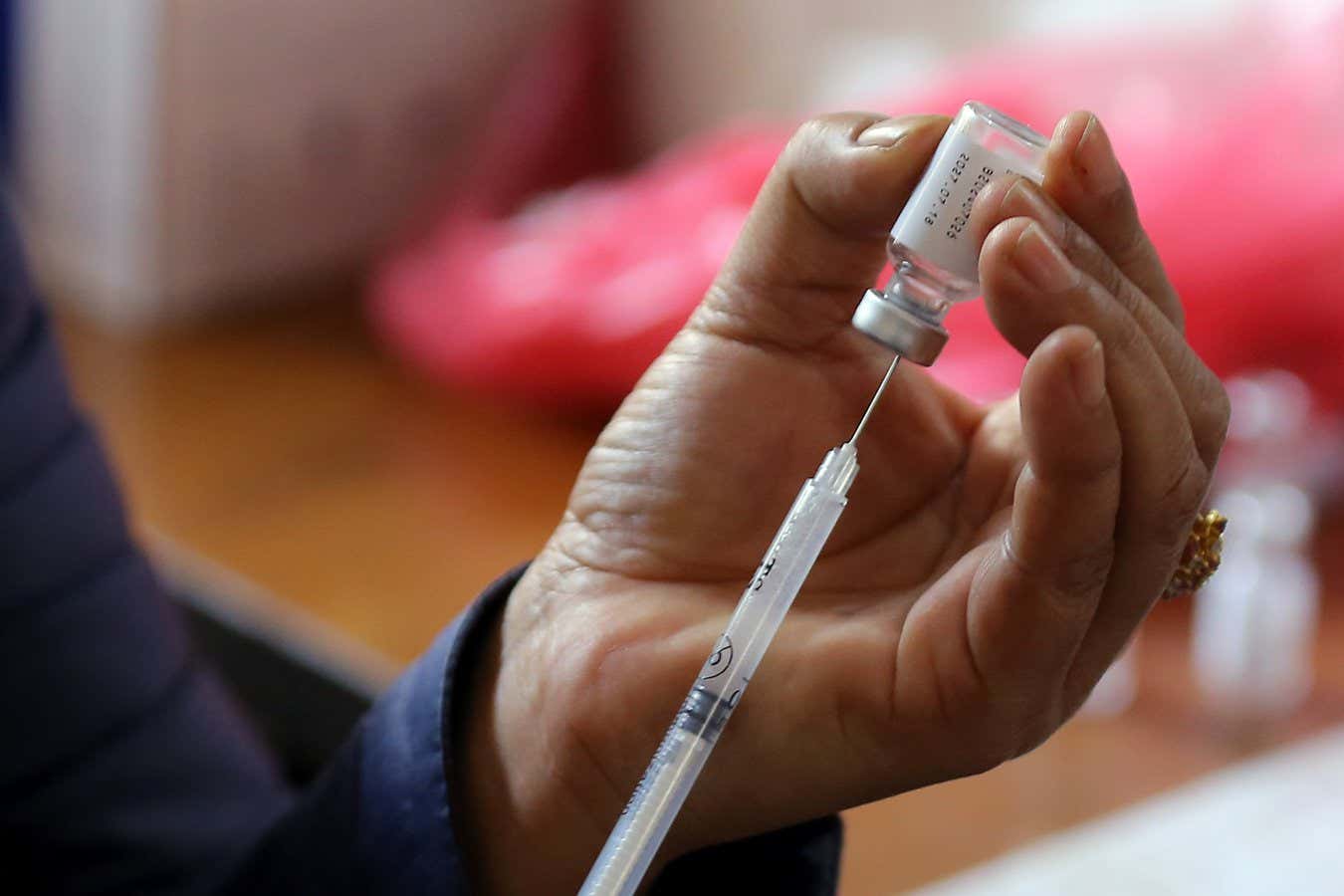
New data from England shows that no women aged 20 to 24 died from cervical cancer between 2020 and 2024, a first recorded milestone that researchers attribute directly to the HPV vaccine program. The vaccine, introduced in English schools in 2008, has led to a dramatic drop in deaths among vaccinated young women, according to a landmark study reported by the BBC. "This is a triumph for vaccination, science and public health." The findings provide the first direct evidence that the HPV vaccine prevents deaths from cervical cancer, New Scientist reported. Experts described the results as stunning, noting that girls vaccinated at age 12 to 13 now face close to zero risk of dying from the disease before age 30. The BBC estimated that around 200 lives have been saved in England so far, with projections suggesting over 400 lives could be saved per year by 2050. "The study provides the first direct evidence of the vaccine's life-saving impact." This milestone represents a significant public health achievement, with both outlets emphasizing the vaccine's role in nearly eliminating cervical cancer deaths among vaccinated young women. The data underscores the long-term effectiveness of the vaccination program, which began over a decade ago, and offers a powerful example of preventive medicine's potential to save lives.

A Penn State University study found that AI chatbots like ChatGPT can accurately answer health-related questions about 75% of the time. Researchers had participants submit over 200 health symptom descriptions and medical questions to various AI systems, which were then evaluated
 fox7austin.com·Tech by Flipboard·2h ago·6 min read
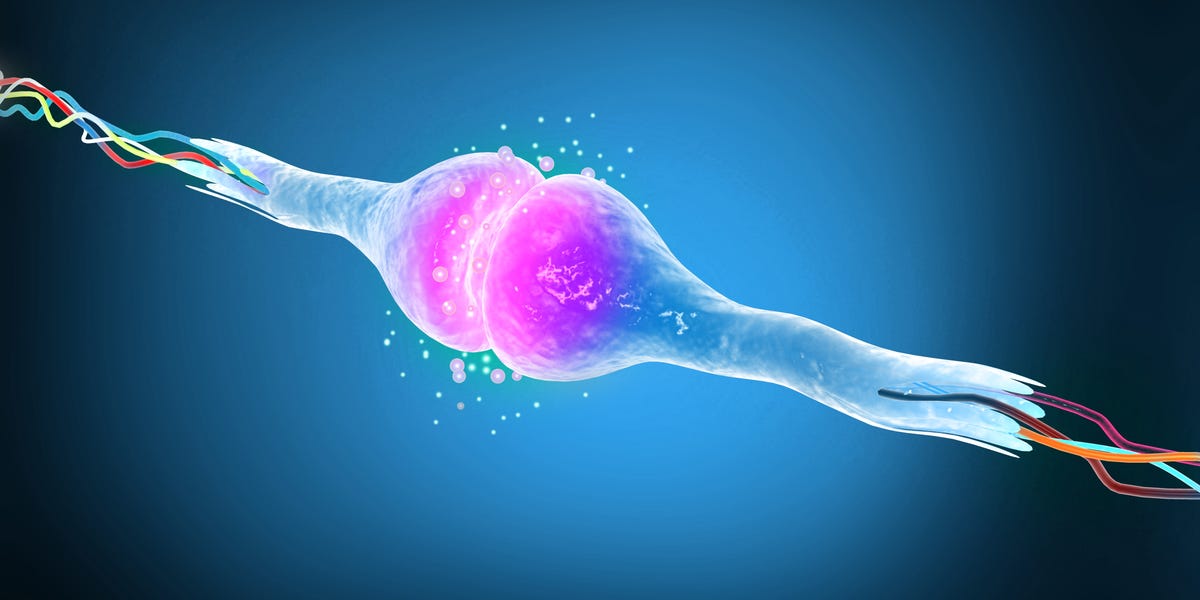
A study confirms that the NANOG gene is essential for early human embryo development, building on previous findings in mice. The gene plays a critical role in forming the first cells that go on to develop into the embryo itself. Without NANOG, human embryos cannot form properly,
 sciencealert.com·Tech by Flipboard·2h ago·5 min read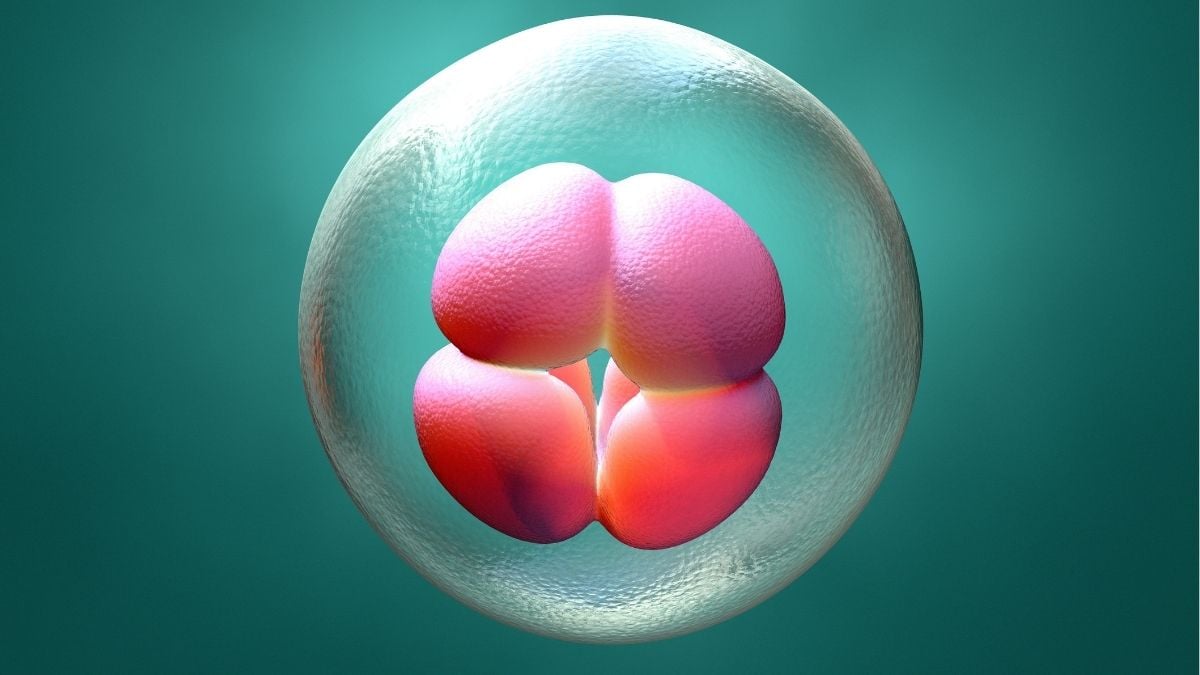
 Shared by @drjkahn ↗
 news-medical.net3h ago
 Shared by @imm.ox.ac.uk ↗
 imm.ox.ac.uk3h ago
 Shared by @theeqinres.bsky.social ↗
 techcentral.ie3h ago
 Shared by @ffcosta.bsky.social ↗
 axios.com3h ago
 Shared by @statnews.com ↗
 statnews.com4h ago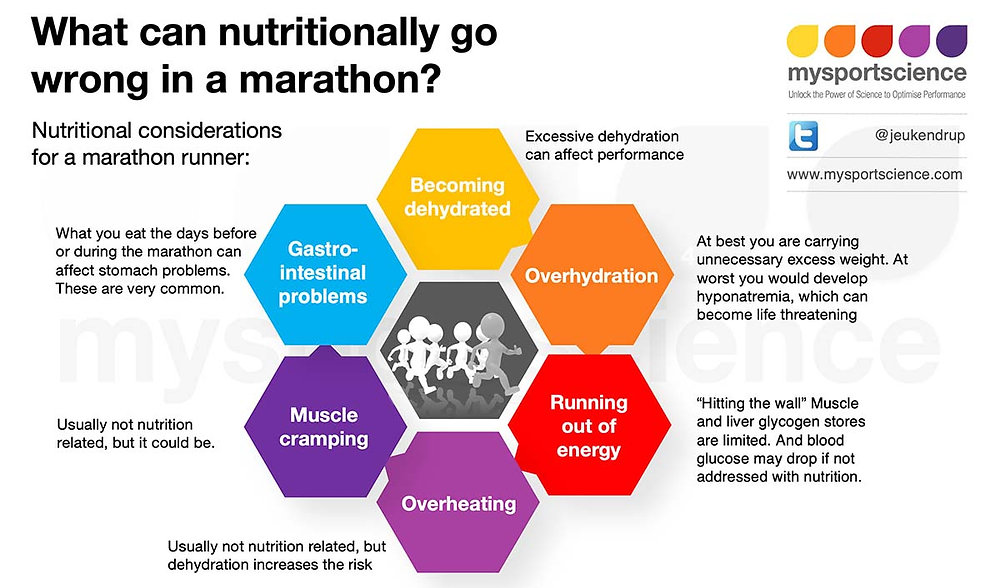
 Shared by @Jeukendrup ↗
 mssa.app4h ago
 Shared by @japantimes.co.jp ↗
 japantimes.co.jp5h ago
 Shared by @physicsworld.bsky.social ↗
 Shared by @radionz.nzcow.com ↗
 rnz.co.nz6h ago